
Applications
Start with the application.
Describe the work, then review the relevant material roles. A shared application category does not establish compatibility or a complete system.
Looking by sector? Browse materials by industry.
Material roles
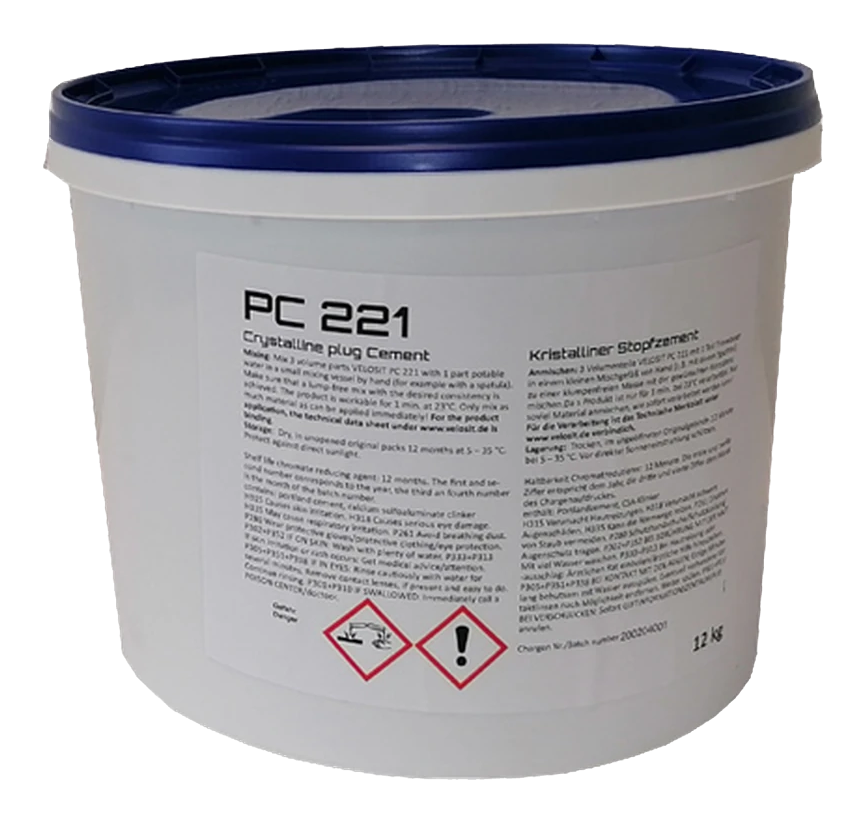
Waterproofing
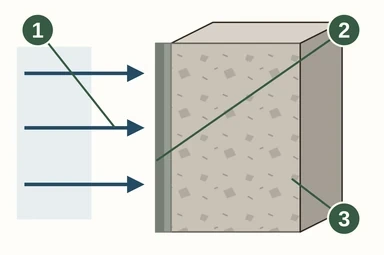
Start with the water exposure and the side of the structure you can access. Coatings, crystalline products and local plugging materials have different roles.
Read the waterproofing planning guide. Compare the condition, access and material role before opening the exact product reference.

Material roles
Wall preparation & finishes
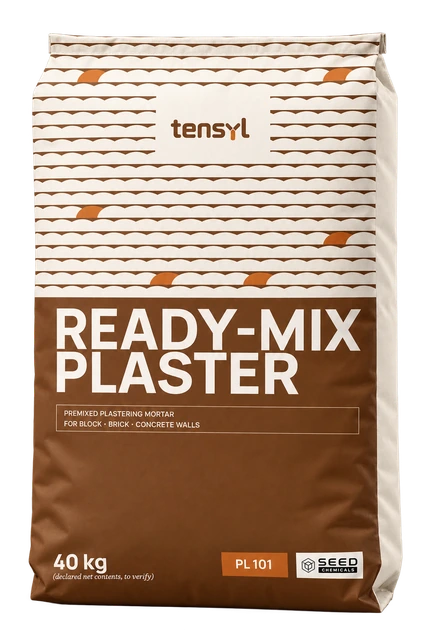
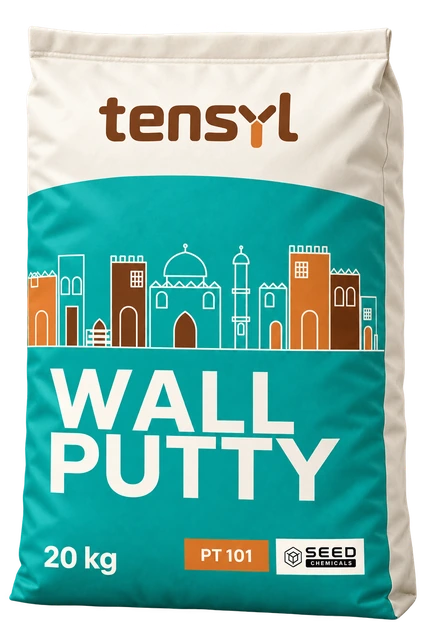
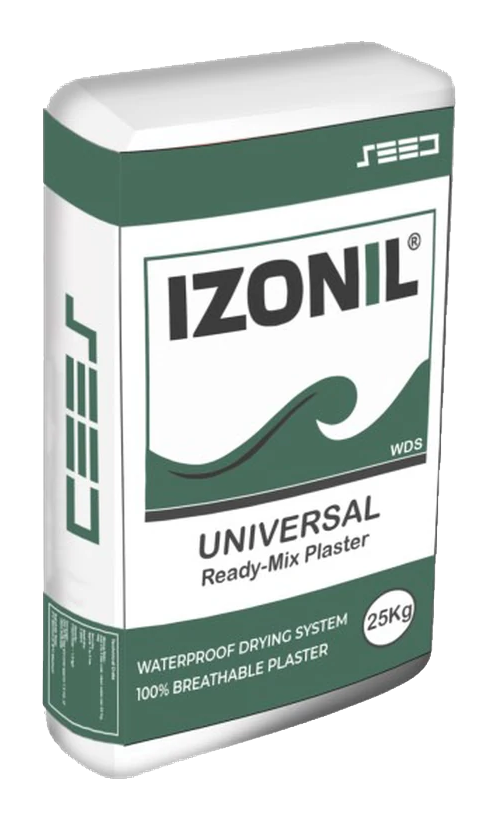
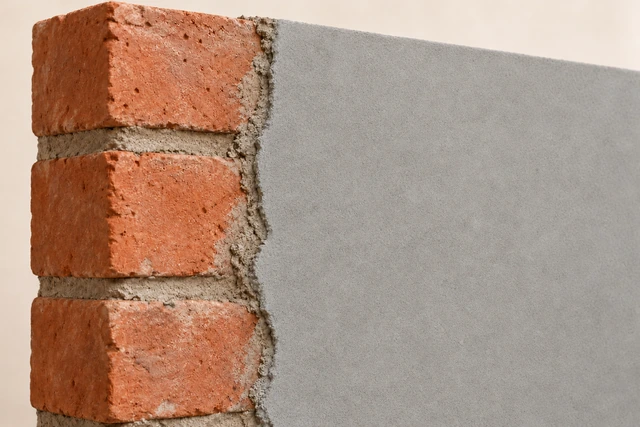
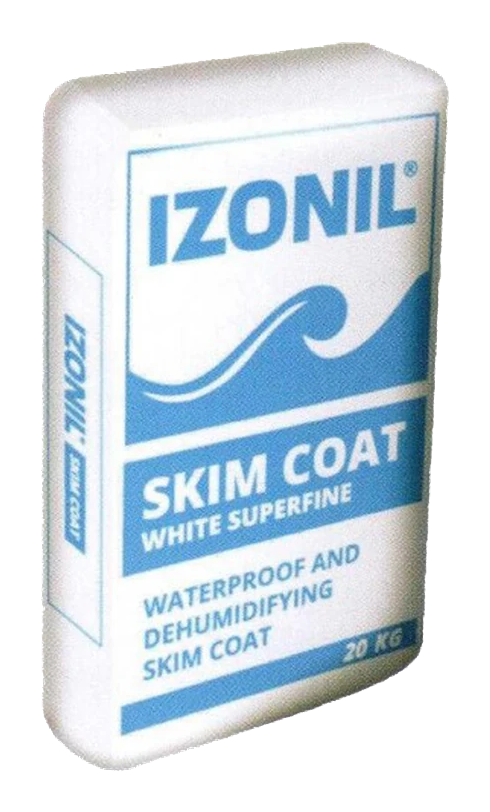
Match the finish to the wall substrate, exposure and intended decoration. Waterproof plaster, water-resistant putty and fine skim coats are distinct product roles.

Material roles
Concrete repair
Assess the cause and extent of the defect before choosing the repair. Repair depth, orientation, reinforcement treatment and the surrounding system need project-specific assessment.



Material roles
Floors & roof build-ups
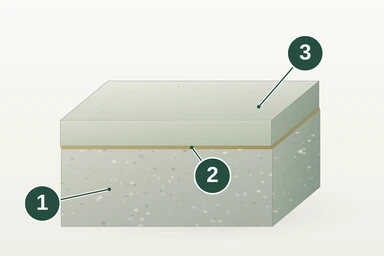
Start with the job of each layer: adjusting levels, preparing for a later covering, or providing the surface used every day. Review the existing base and intended finish together before choosing a material. Products grouped here do not automatically form a compatible system.
Assess the substrate before levelling
Record the concrete condition, existing coatings, contamination, cracks, joints and changes in level. Establish the preparation and repair requirements before adding another layer. Movement joints and perimeter details need to remain part of the design.
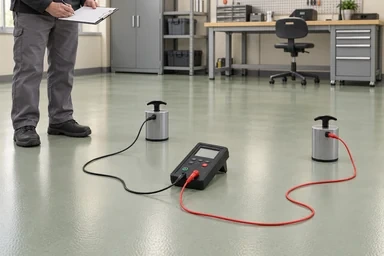
Include measured moisture findings and the test method required by the selected flooring system. A smooth surface or a dry appearance is not enough to approve the next layer. For a failing epoxy floor, start with the epoxy peeling and blistering checklist.
Choose an underlayment or a wearing surface
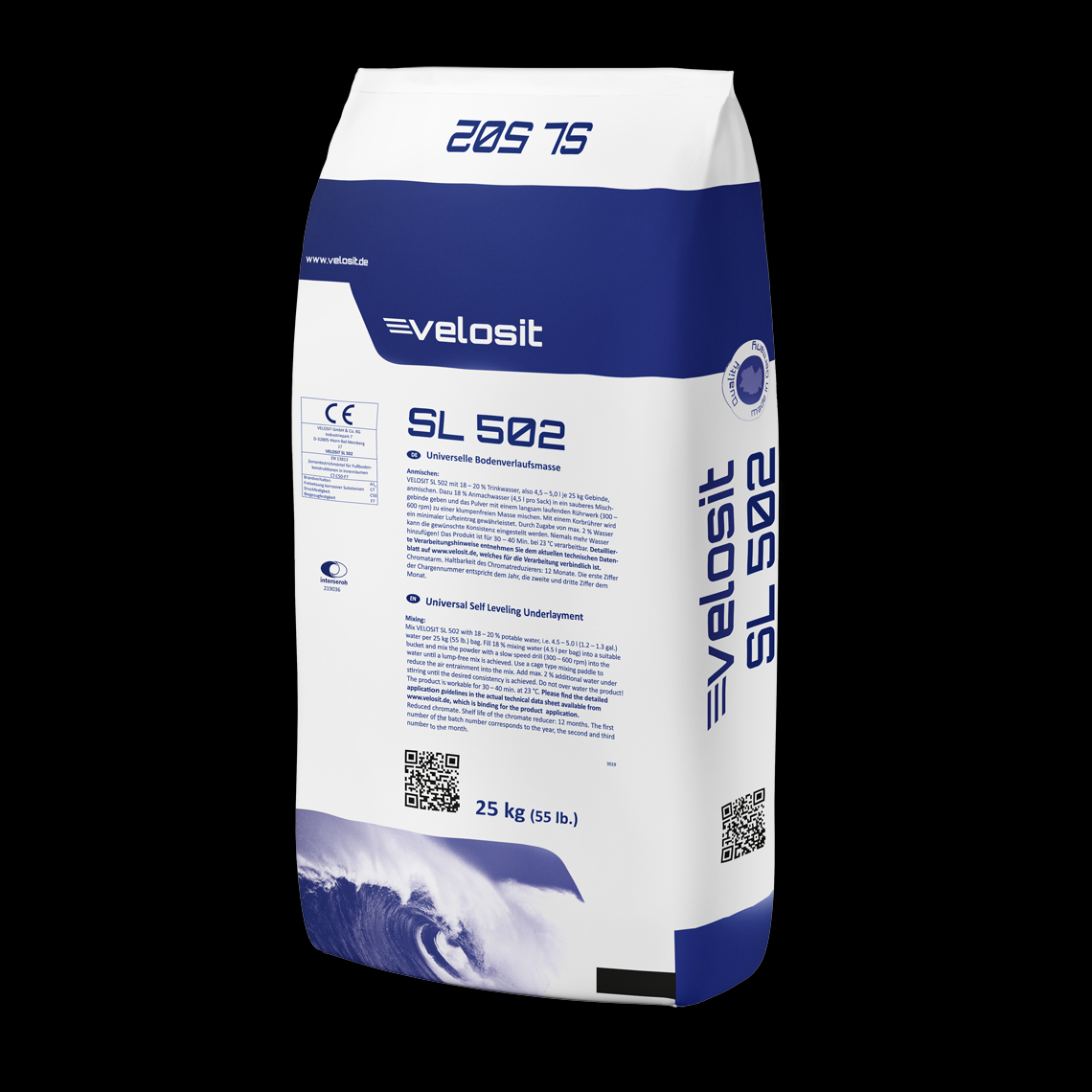
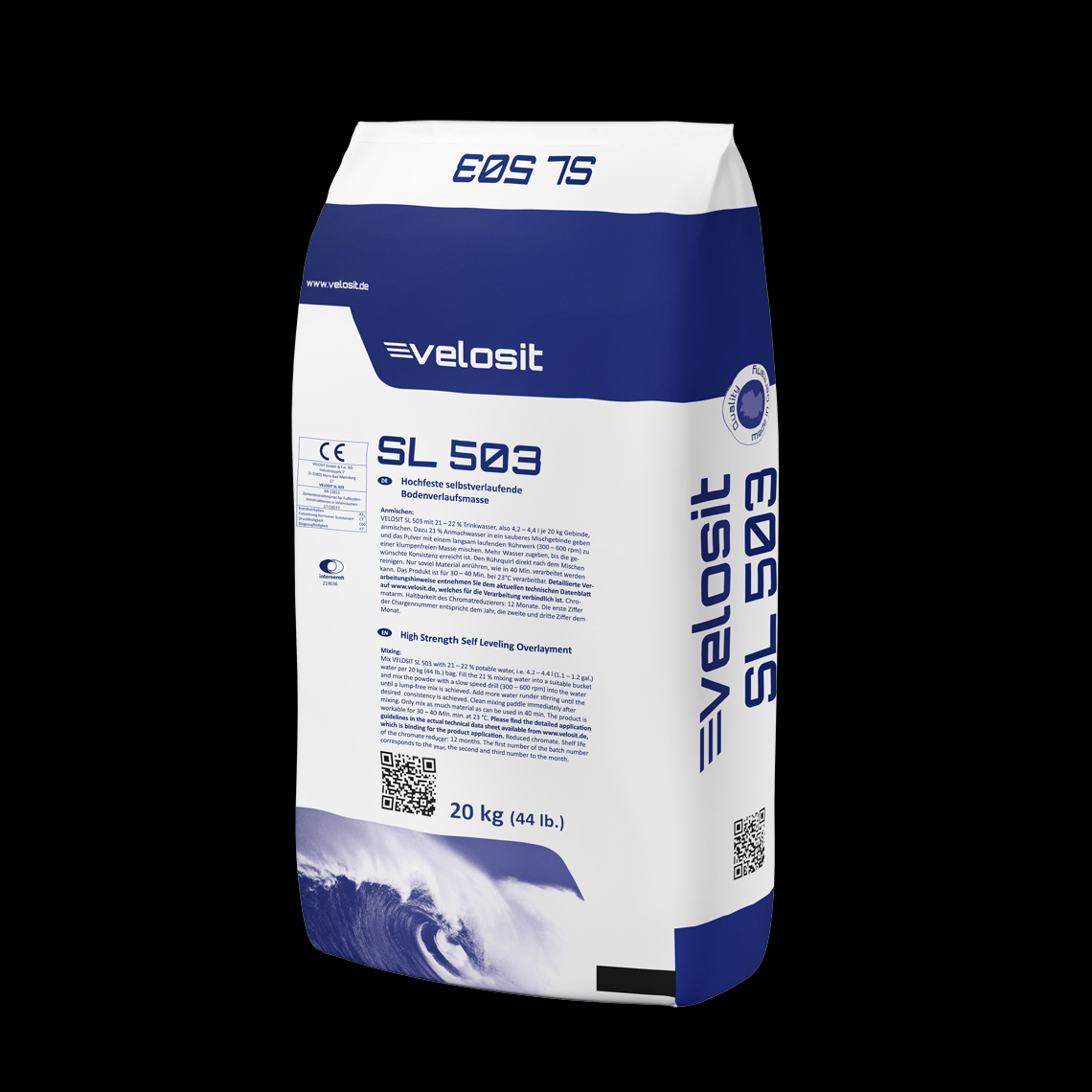
VELOSIT SL 501 and SL 502 are cementitious self-levelling underlayments for suitable concrete. Their role is to prepare a base for a separately selected coating, tile or floor covering.
VELOSIT SL 503 offers a different choice: a mineral wear surface on concrete, or an underlayment beneath another finish. For an exposed surface, the intended traffic, cleaning and exposure inform any separate sealer or hardener selection. Read the floor-layer comparison before treating all self-levelling products as equivalent.


Match moisture conditions and primer
VELOSIT PA 911 regulates absorption on suitable prepared substrates beneath compatible mortars or adhesives. It also binds residual dust after preparation. It is not a substitute for surface preparation or a standalone moisture barrier.
Where moisture results fall outside the selected system's limits, ask for the appropriate moisture-control and primer specification. Do not assume one primer suits every slab, levelling product or finish. Confirm the receiving condition before continuing.
Keep the full build-up in view
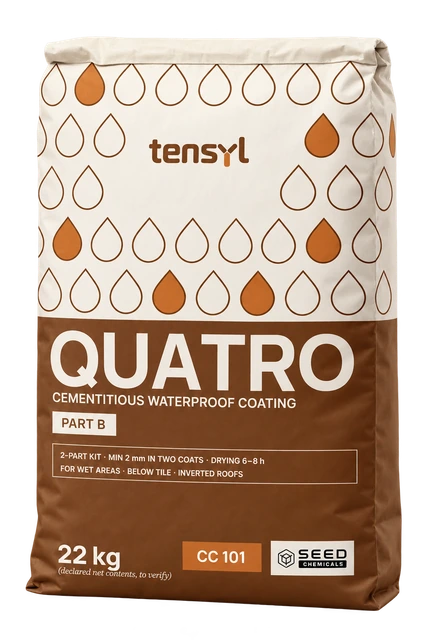
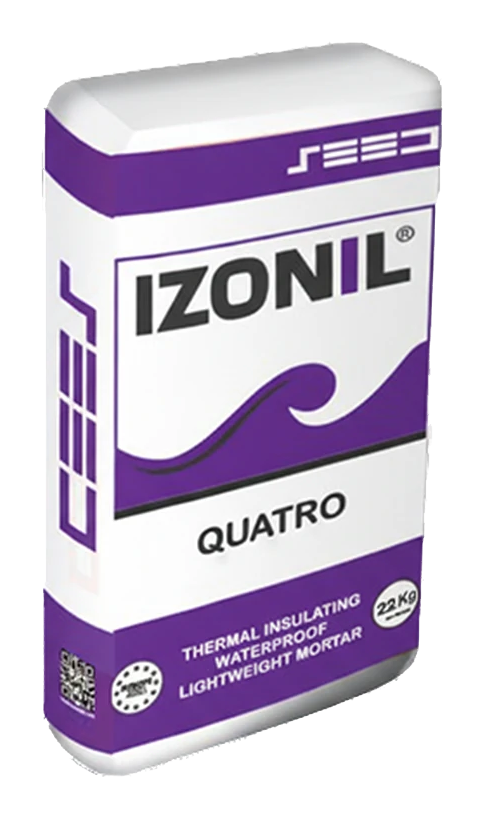
IZONIL QUATRO has a separate lightweight-mortar role for above-ground horizontal concrete roofs and floors. Check the full arrangement, loading, drainage and final surface rather than substituting it for a levelling underlayment.
Understand epoxy and PU floor types
Epoxy and polyurethane (PU) describe different resin flooring families. PU-cement systems combine polyurethane technology with cementitious materials; they should not be treated as ordinary PU coatings. Compare the exact system for traffic, cleaning, temperature exposure, texture and appearance rather than choosing by the resin name alone.
SEED's industrial epoxy guide describes a project-specified system, not a universal kit. PU and PU-cement are explained here as flooring types, not confirmed SEED stock or installation offerings. If either appears in your specification, include the exact manufacturer and system for confirmation. Vinyl and epoxy are also distinct; an ESD requirement needs its own complete specification and acceptance checks.
Prepare a useful flooring enquiry
Share the information you have:
- Project location, floor area and whether the work is new construction or refurbishment.
- Concrete or other substrate, current finish, defects, moisture results and test method.
- Required levels, changes in height, joints, drains and perimeter details.
- Intended covering or exposed surface, traffic, wheel loads, cleaning and chemical exposure.
- Available shutdown period, intended handover date and any electrostatic-control requirements.
Check the technical documents for the exact supplied product and obtain the matching safety information. Covering and service readiness must suit site conditions and the receiving finish, not just an elapsed reference time. Prepare a project enquiry or ask for technical support.
Material roles
Grouts, masonry & joints
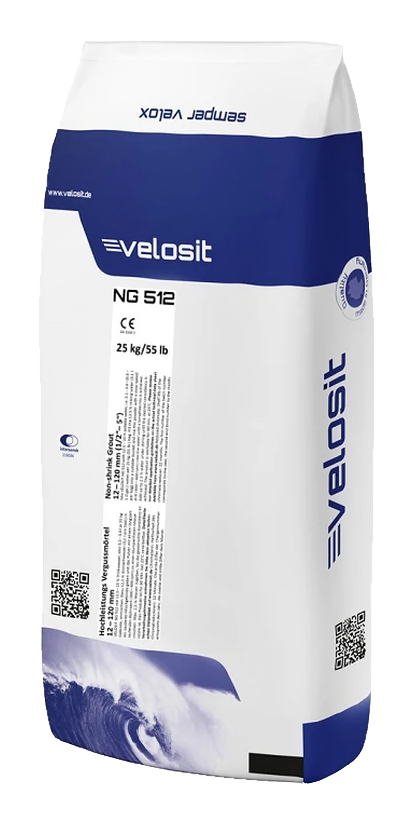
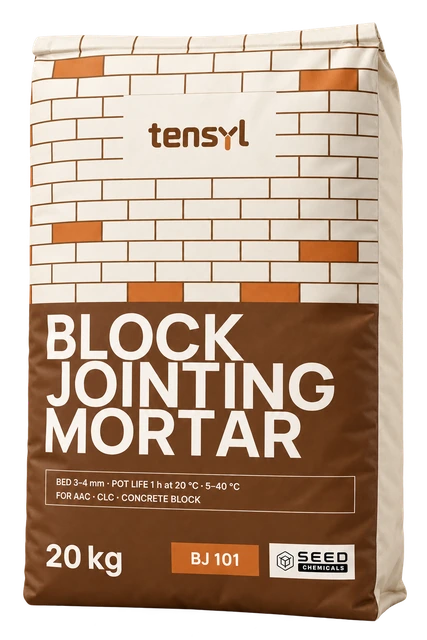
Bearing grout, block-jointing mortar and water-sealing details serve different purposes. Confirm the connection, joint geometry and complete surrounding detail.


Material roles
Concrete & mortar admixtures
Choose for the intended concrete or mortar and verify compatibility. Dosage, dilution, mix trials and acceptance depend on the supplied product and intended use.
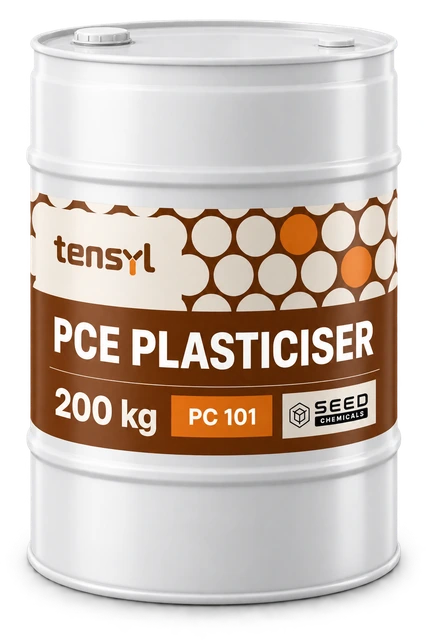
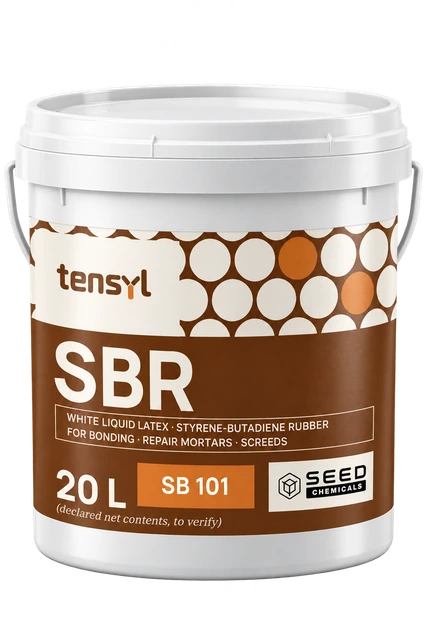
The product is one part of the detail.
Preparation, interfaces, movement, service exposure and the intended finish belong in the same project discussion.