Enquiry 0Discuss your project
Menu

Construction chemicals / Material studies

See what the material does.

Eight material stories, shown through movement and contact. Play a study or inspect its labelled still views.

A moving section reveals a continuous bond from concrete to wearing surface.

Contact makes the system

A moving section reveals a continuous bond from concrete to wearing surface.

Conceptual section, not application. Depths enlarged; actual products and build-up are project-selected.

One bonded assembly

Concrete, compatible primer and wearing layer remain in contact.

Plays once, only when requested. Pauses when hidden or out of view.

Inspect still views
Open the video

Contact makes the system

Conceptual section, not application. Depths enlarged; actual products and build-up are project-selected.

A moving section reveals a continuous bond from concrete to wearing surface.
1. One bonded assemblyConcrete, compatible primer and wearing layer remain in contact.
A moving section reveals a continuous bond from concrete to wearing surface.
2. Open the sectionA moving cutaway exposes the three material roles.
A moving section reveals a continuous bond from concrete to wearing surface.
3. Follow the interfaceThe primer follows the concrete profile beneath the wearing layer.
A moving section reveals a continuous bond from concrete to wearing surface.
4. Restore the wholeThe inspection closes to show the same continuous assembly.

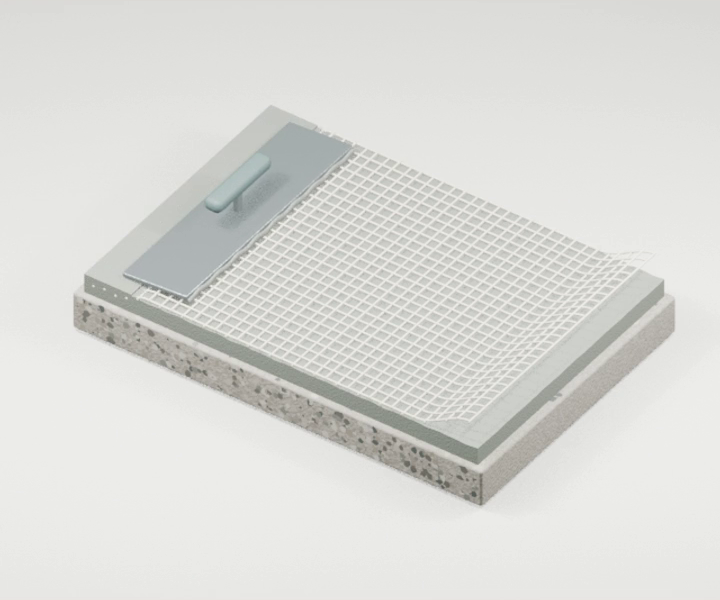
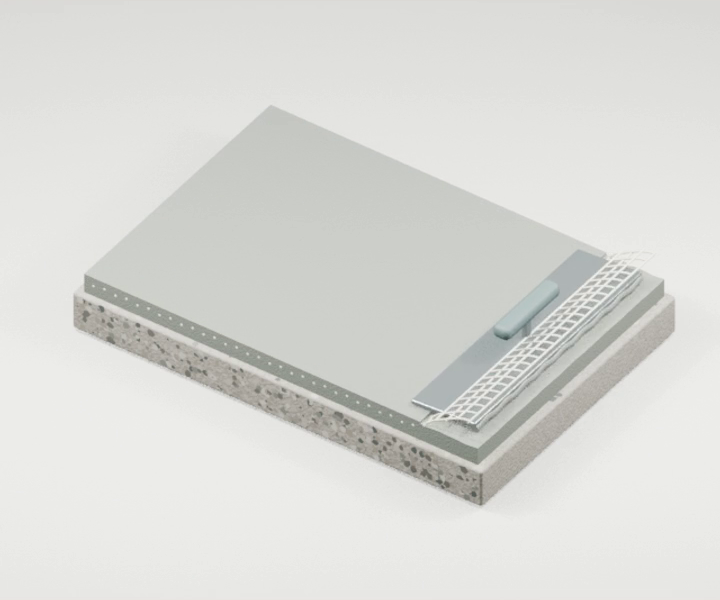
See the fabric embed

Qualitative embedding, not a full method. Confirm the mesh and receiving system.

Flexible fabric is pressed into a fresh receiving coat, and a cut edge reveals the same embedded strands.
1. Fresh receiving coatFlexible woven fabric contacts fresh material beneath it.
Flexible fabric is pressed into a fresh receiving coat, and a cut edge reveals the same embedded strands.
2. Pressure at the bladeThe fabric conforms into the coat as the blade passes.
Flexible fabric is pressed into a fresh receiving coat, and a cut edge reveals the same embedded strands.
3. Material surrounds the weaveThe worked area closes over the embedded strands.
Flexible fabric is pressed into a fresh receiving coat, and a cut edge reveals the same embedded strands.
4. Read the embedded sectionThe cut edge reveals the same fabric inside the receiving material.

CA112 / Crystalline admixture

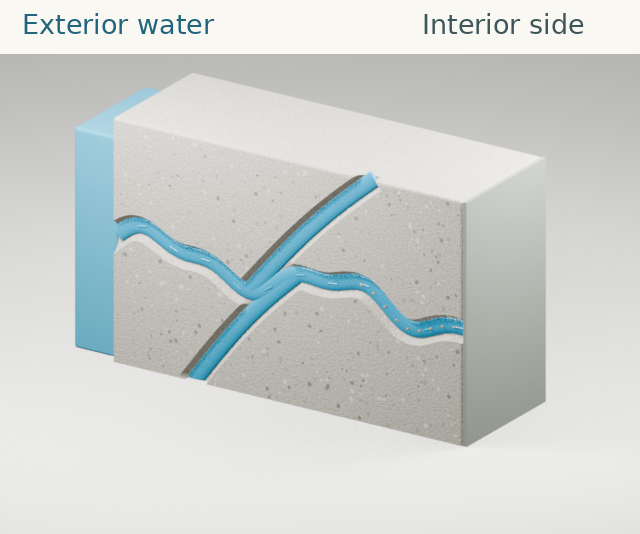
Accelerated, enlarged qualitative illustration of an admixture within concrete. The later protected-side drying state has no implied clock and depends on conditions.

Distributed actives respond to water within the concrete. Dense, wall-seeded crystals interrupt connected capillaries while exterior water remains.
1. Mixed into the concreteCA112 actives begin distributed within the concrete.
Distributed actives respond to water within the concrete. Dense, wall-seeded crystals interrupt connected capillaries while exterior water remains.
2. Water reaches the poresWater contacts local actives and concrete constituents.
Distributed actives respond to water within the concrete. Dense, wall-seeded crystals interrupt connected capillaries while exterior water remains.
3. Crystals grow in placeNeedles interlock from opposing pore walls and narrow the route.
Distributed actives respond to water within the concrete. Dense, wall-seeded crystals interrupt connected capillaries while exterior water remains.
4. Through-flow subsidesThe dense network interrupts flow. Exterior water remains.
Distributed actives respond to water within the concrete. Dense, wall-seeded crystals interrupt connected capillaries while exterior water remains.
5. A later protected stateResidual dampness can dry later; conditions govern that change.

CW111 / Negative-side coating

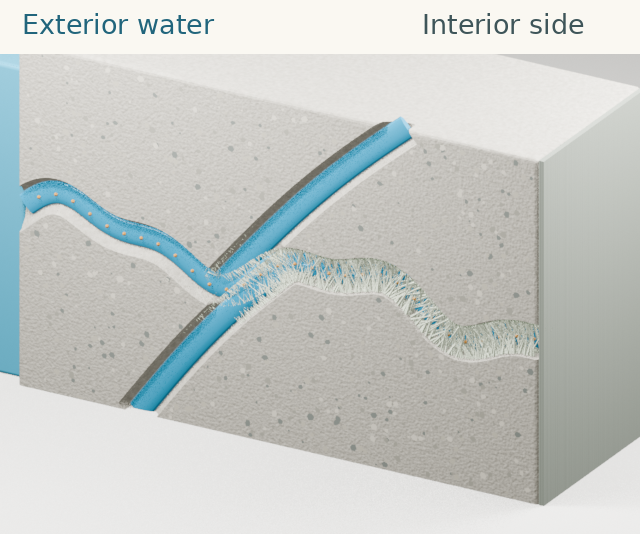
Accelerated, enlarged negative-side mechanism illustration. Full crystalline effect requires several days of water contact. Existing active leaks and leaking cracks need the specified prior treatment. No penetration depth is promised.
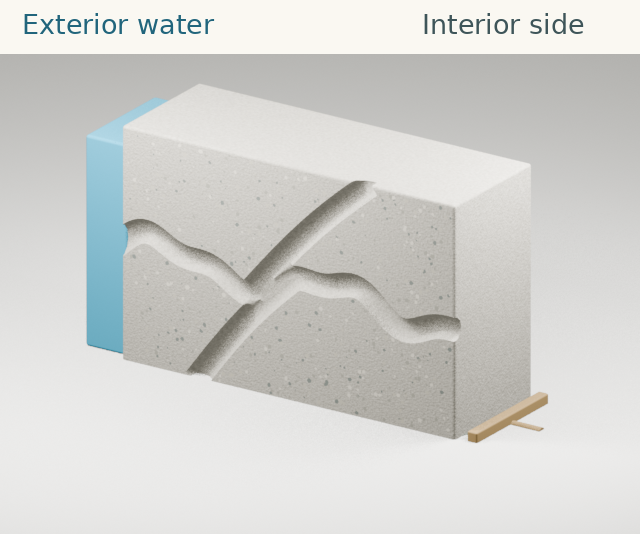
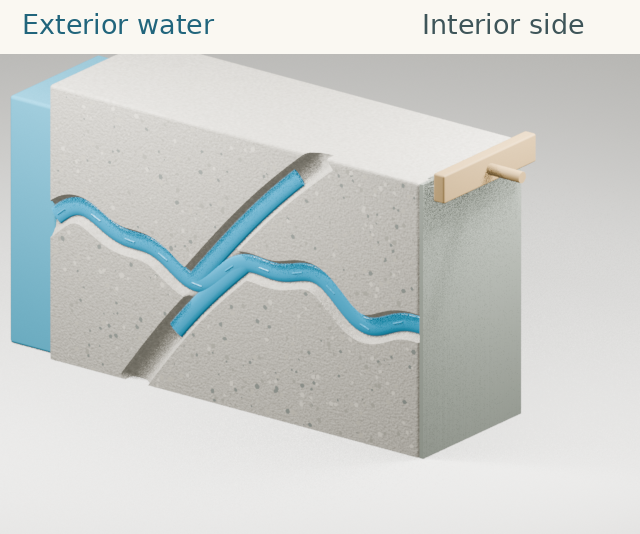
A brush applies slurry on the interior face, opposite exterior water. Dissolved active chemistry moves inward and stationary crystals grow across connected wet capillaries.
1. Water on the opposite sideExterior water is on the left; the accessible interior is on the right.
A brush applies slurry on the interior face, opposite exterior water. Dissolved active chemistry moves inward and stationary crystals grow across connected wet capillaries.
2. Coat the interior faceThe slurry is applied to the prepared, damp interior face.
A brush applies slurry on the interior face, opposite exterior water. Dissolved active chemistry moves inward and stationary crystals grow across connected wet capillaries.
3. Active chemistry moves inwardDissolved actives enter wet pores from the coated face.
A brush applies slurry on the interior face, opposite exterior water. Dissolved active chemistry moves inward and stationary crystals grow across connected wet capillaries.
4. Crystals form in placeStationary needles grow from pore walls and interlock.
A brush applies slurry on the interior face, opposite exterior water. Dissolved active chemistry moves inward and stationary crystals grow across connected wet capillaries.
5. Connected paths interruptedFlow traces finish. The mature network and exterior water remain.

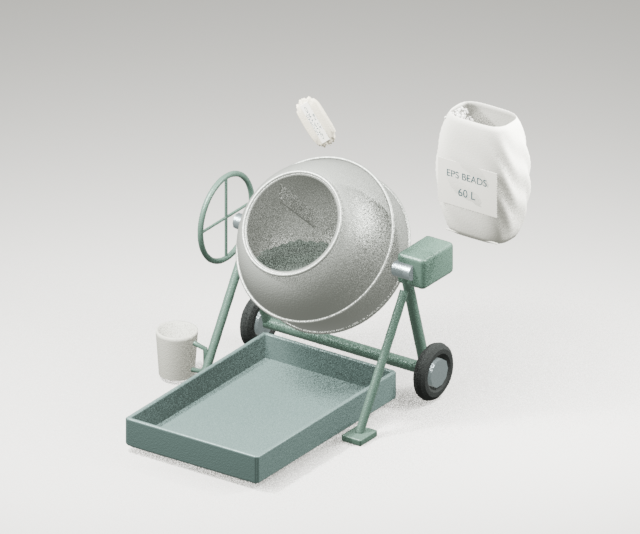
QUATRO / From bags to mortar

Compressed illustrative time and conceptual packaging. Batch reference: 22 kg IZONIL QUATRO powder, 60 L EPS beads and 11–12 L clean water. Water precedes powder; slurry is mixed before EPS, followed by further mixing. The film does not specify mixer capacity. Follow the matched product and project instructions.

Batch reference also confirmed by SEED. Packaging artwork and machine proportions are illustrative.

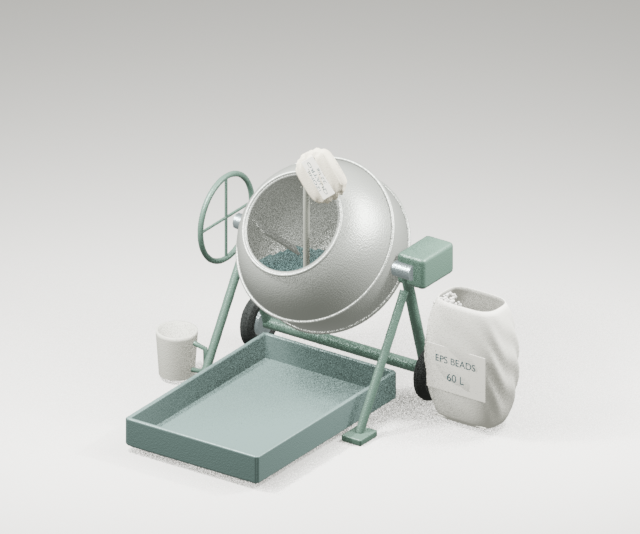
Two distinct ingredient sacks flank a mixer as water enters its open drum.
1. Clean water firstThe measured water charge enters the gravity mixer.
A flexible IZONIL QUATRO powder bag tips above the drum and releases grey powder.
2. Add the QUATRO powderThe separate 22 kg powder bag empties into the water.
The drum and its paddles rotate together around wet slurry; the empty powder bag has withdrawn.
3. Turn a smooth slurryWater and powder mix before the EPS beads are added.
A larger flexible EPS sack releases a finite bead stream into prepared slurry.
4. Empty the larger EPS sackThe bulky bead sack feeds EPS through the drum opening.
Visible EPS is incorporated into the contained wet mix while both emptied sacks rest beside the machine.
5. Distribute the wet mixtureThe rotating drum works the beads into the wet mortar.
The drum tips on its supported pivot and discharges cohesive mortar into a receiving tray.
6. Tip and receive the mortarWet bead-filled mortar leaves the mouth and gathers in the tray.

CC101 / A conformal coating

Qualitative application-role illustration. Surface, geometry and timing are enlarged for inspection. Product preparation, build-up and curing require the confirmed project method.

SEED-supplied CC101 product information; qualitative product-role illustration.
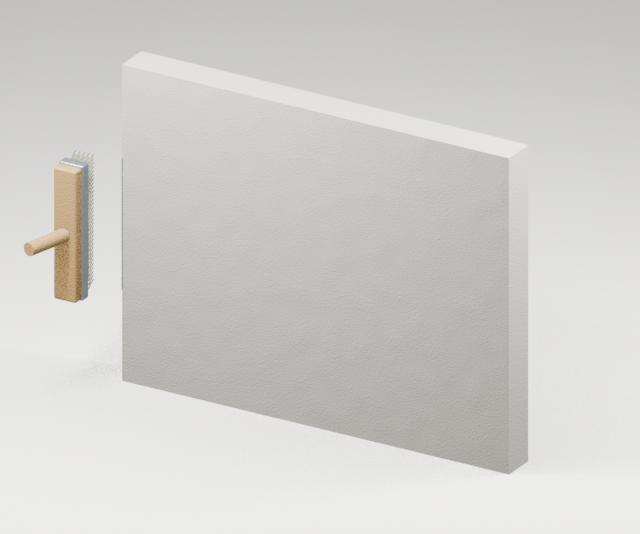
TENSYL CC101 Cementitious Waterproof Coating follows a prepared mineral surface as contacting brush fibres carry material across it.
1. Prepared mineral surfaceTENSYL CC101 Cementitious Waterproof Coating: a thin coating role.
TENSYL CC101 Cementitious Waterproof Coating follows a prepared mineral surface as contacting brush fibres carry material across it.
2. Brush fibres make contactThe flexing bristles carry material onto the surface.
TENSYL CC101 Cementitious Waterproof Coating follows a prepared mineral surface as contacting brush fibres carry material across it.
3. Coverage follows contactA thin grey coating follows the existing surface profile.
TENSYL CC101 Cementitious Waterproof Coating follows a prepared mineral surface as contacting brush fibres carry material across it.
4. Inspect the coated faceThe coating stays bonded to the mineral base beneath it.

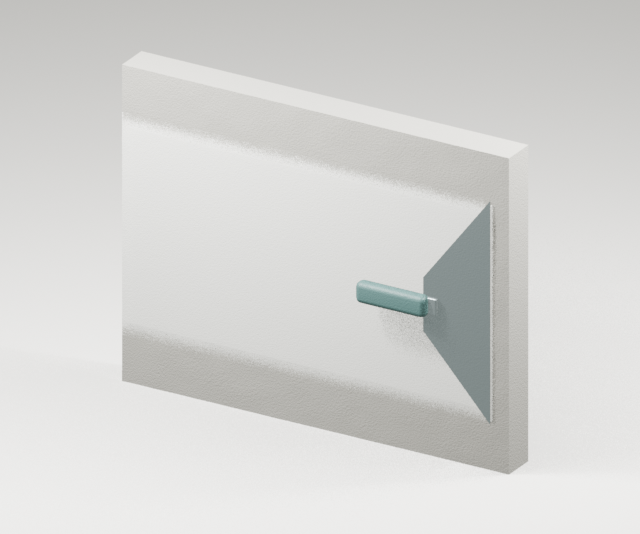
TENSYL / Super-white putty

Qualitative finishing-role illustration. Minor surface variation and layer geometry are enlarged. The selected formulation and subsequent finish system require confirmation.

SEED-supplied wall-putty information; qualitative finishing-role illustration.

A finishing knife fills minor surface lows with a thin white layer and leaves a feathered finishing field.
1. Minor surface variationThe existing mineral wall remains the supporting base.
A finishing knife fills minor surface lows with a thin white layer and leaves a feathered finishing field.
2. A contacting finishing knifeThe blade bridges high spots and carries a thin white layer.
A finishing knife fills minor surface lows with a thin white layer and leaves a feathered finishing field.
3. Fill the shallow lowsPutty levels small variations beneath the moving blade.
A finishing knife fills minor surface lows with a thin white layer and leaves a feathered finishing field.
4. A smooth finishing fieldThe feathered white layer remains on the original wall.

PCE / Inside the cement paste

General PCE mechanism, with particle and molecular scales enlarged independently and timing illustrative. This is not a verified model of the supplied TENSYL formulation or a performance result. Select and confirm the product through actual concrete-mix trials and matched product instructions.

General mechanism reference; no source performance figures are transferred to TENSYL PC101.

An enlarged irregular cluster of seven cement grains in a blue pore-solution field.
1. Cement grains form a flocAssociated cement grains sit within the pore solution.
Amber polymer backbones with blue flexible side chains approach the same cement-grain cluster.
2. PCE approaches the surfacesComb-like polymers approach and adsorb on cement grains.
Close view of amber backbones contacting grain surfaces, with blue side chains extending into the surrounding solution.
3. Backbone anchors; chains extendThe adsorbed backbone holds flexible side chains in solution.
The same seven cement grains are more separated, with their adsorbed polymers and surrounding pore solution retained.
4. Dispersion under mixingThe grains separate. Side chains help resist re-flocculation.

Continue into the product guide.

Connect the illustrated material role with product information and the complete project detail.